
1/9
2/9
3/9
4/9
5/9
6/9
7/9
8/9
9/9
Complex Repetition
In the philosophical text Difference and Repetition (1968), Gilles Deleuze explores the dialectic between two ideas: ‘pure difference’ and ‘complex repetition’. Deleuze associates difference with ‘divergence and decentering’, and repetition with ‘displacement and disguising’. He does not find sameness in repetition, but instead novelty.
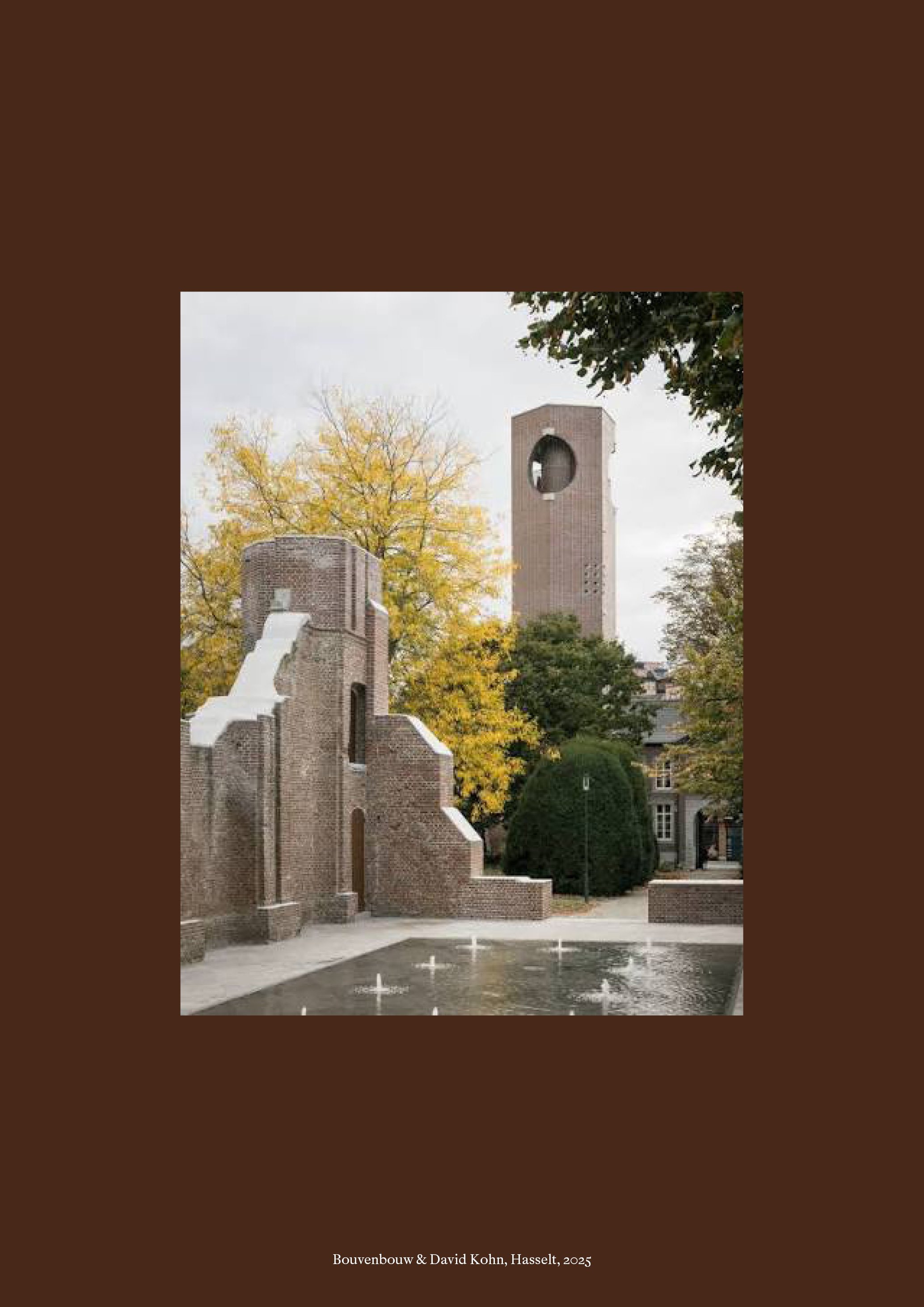
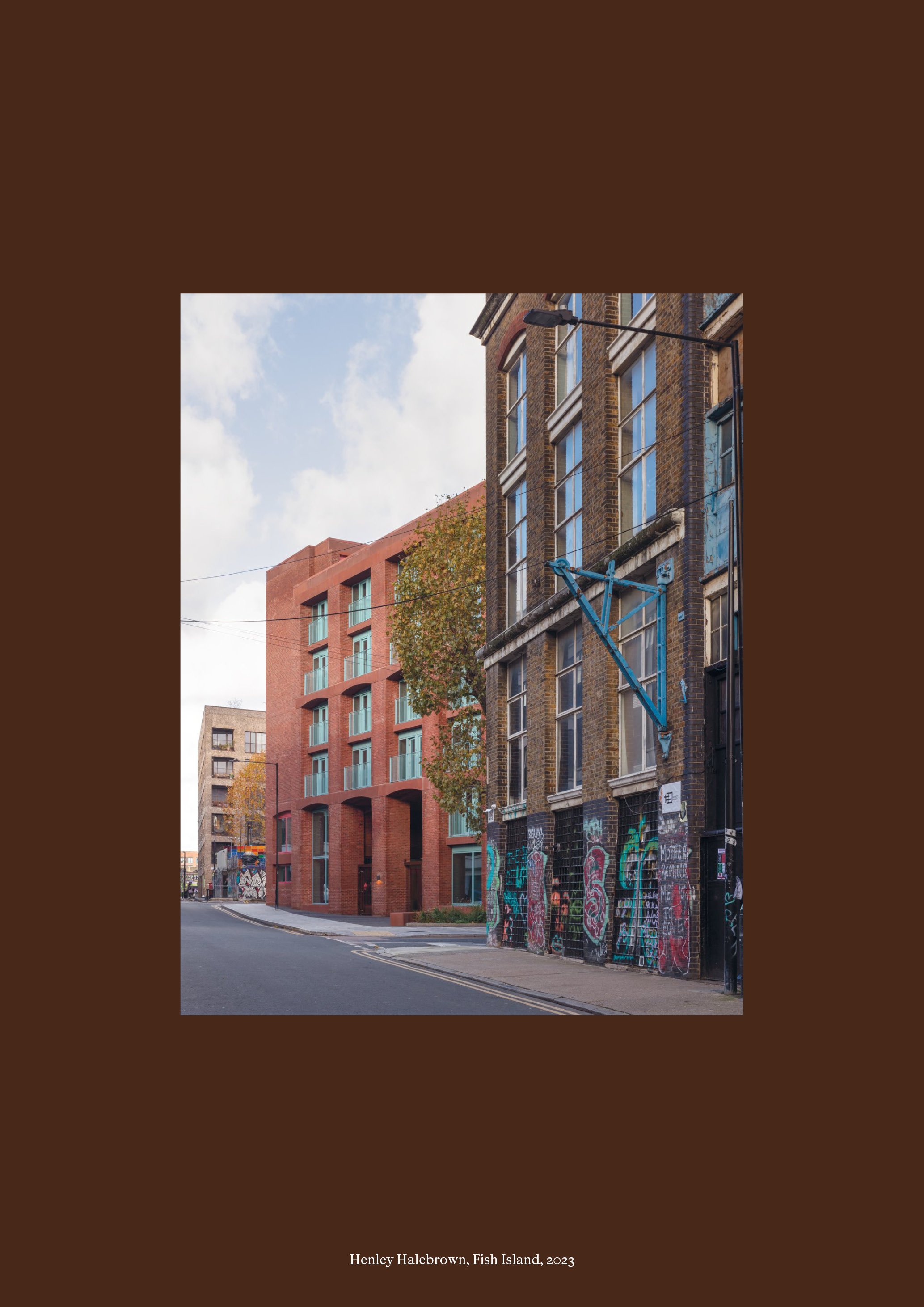
We understand architecture as part of a historical and cultural continuum, or, a sequence of complex repetitions. In this way, Henri Bergson speaks of ‘duration’ (1889) which he called ‘the persistence of the past in the present’. Indeed, Jonathan Sergison notes: ‘We hold the position that invention is a necessary ambition in architecture, but it rarely emerges by spontaneous intuition. An architect can only hope to make a truly unique proposal after many years of study and reflection. Indeed, it is debatable whether true originality is achievable.’
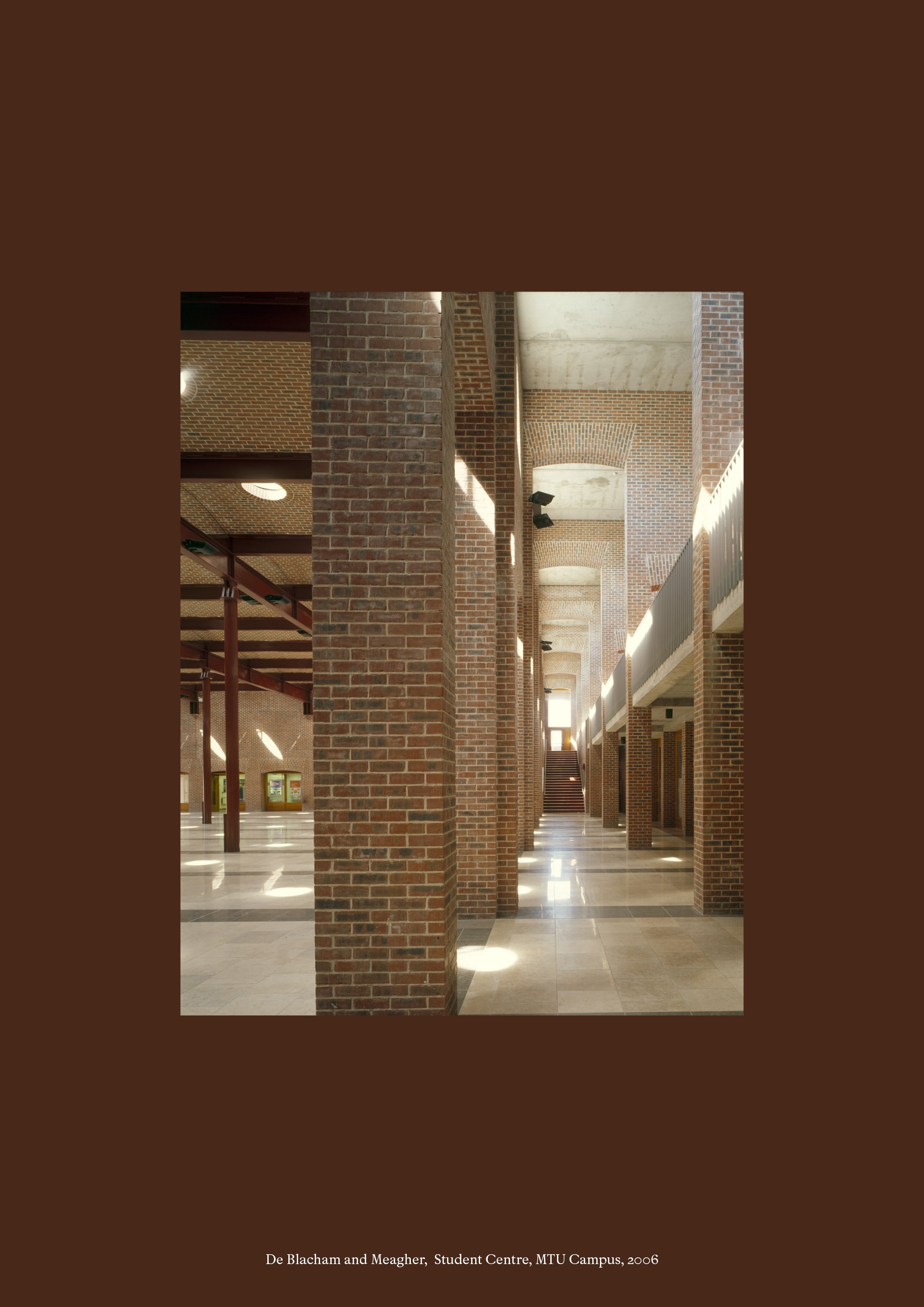
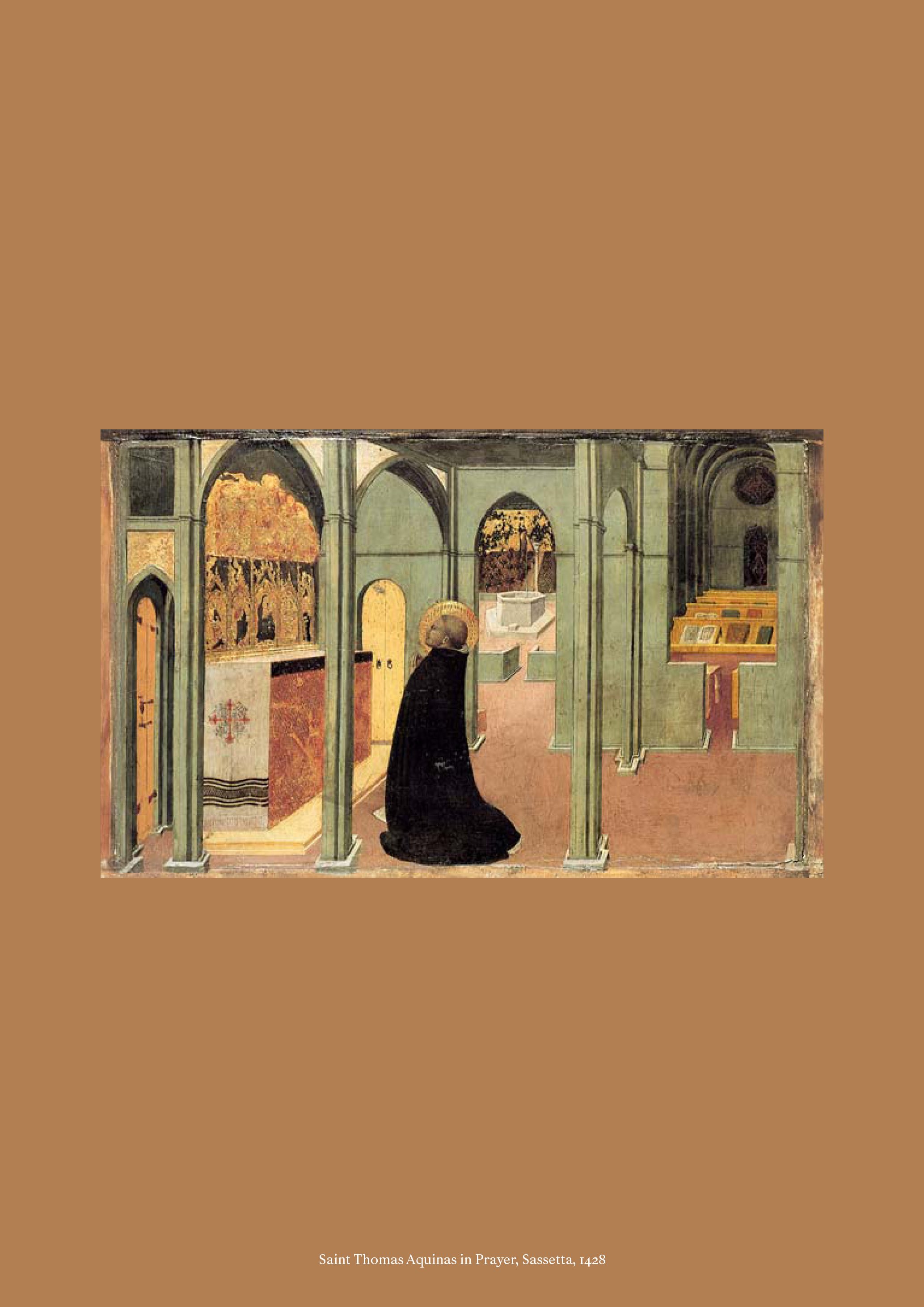
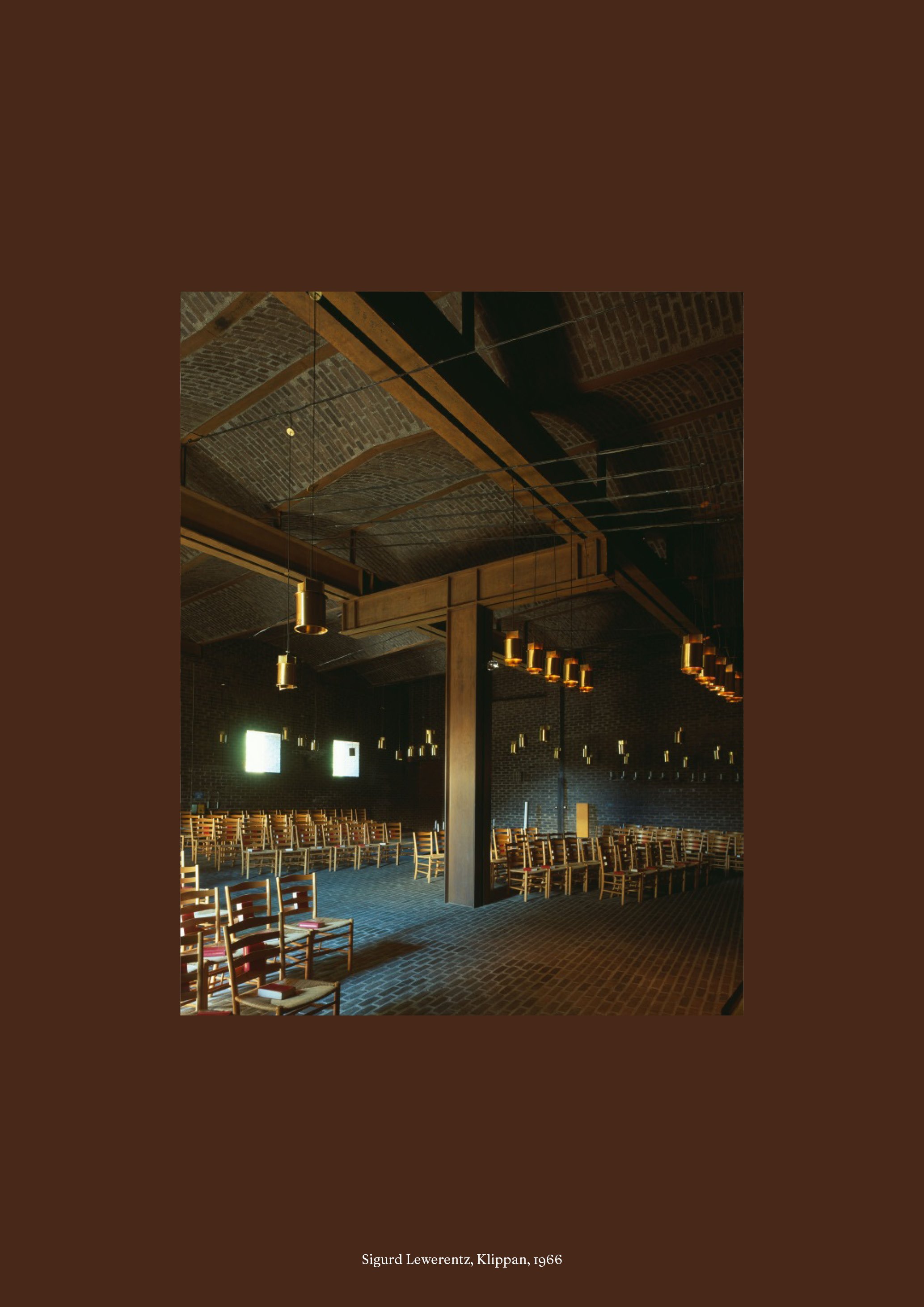
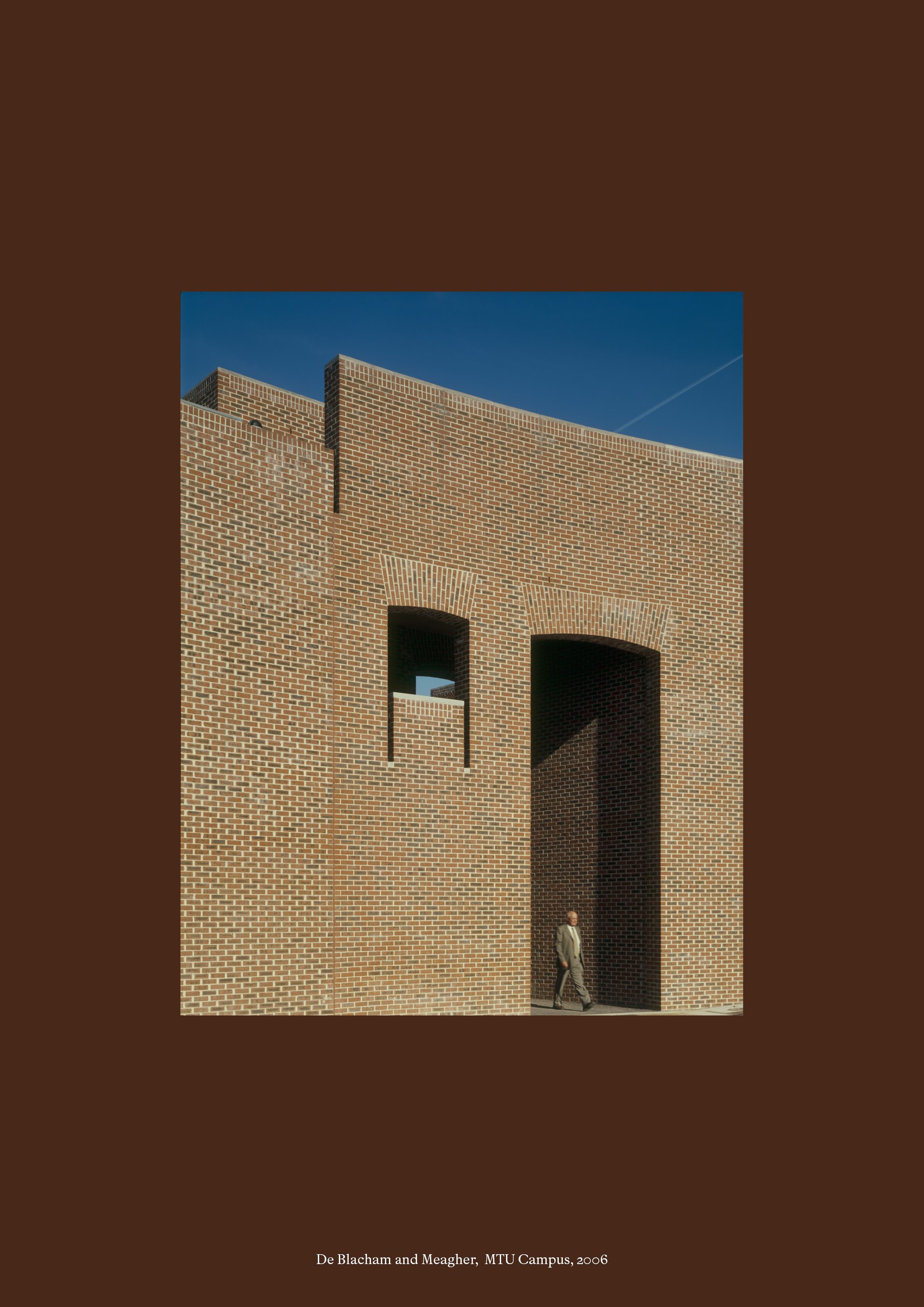
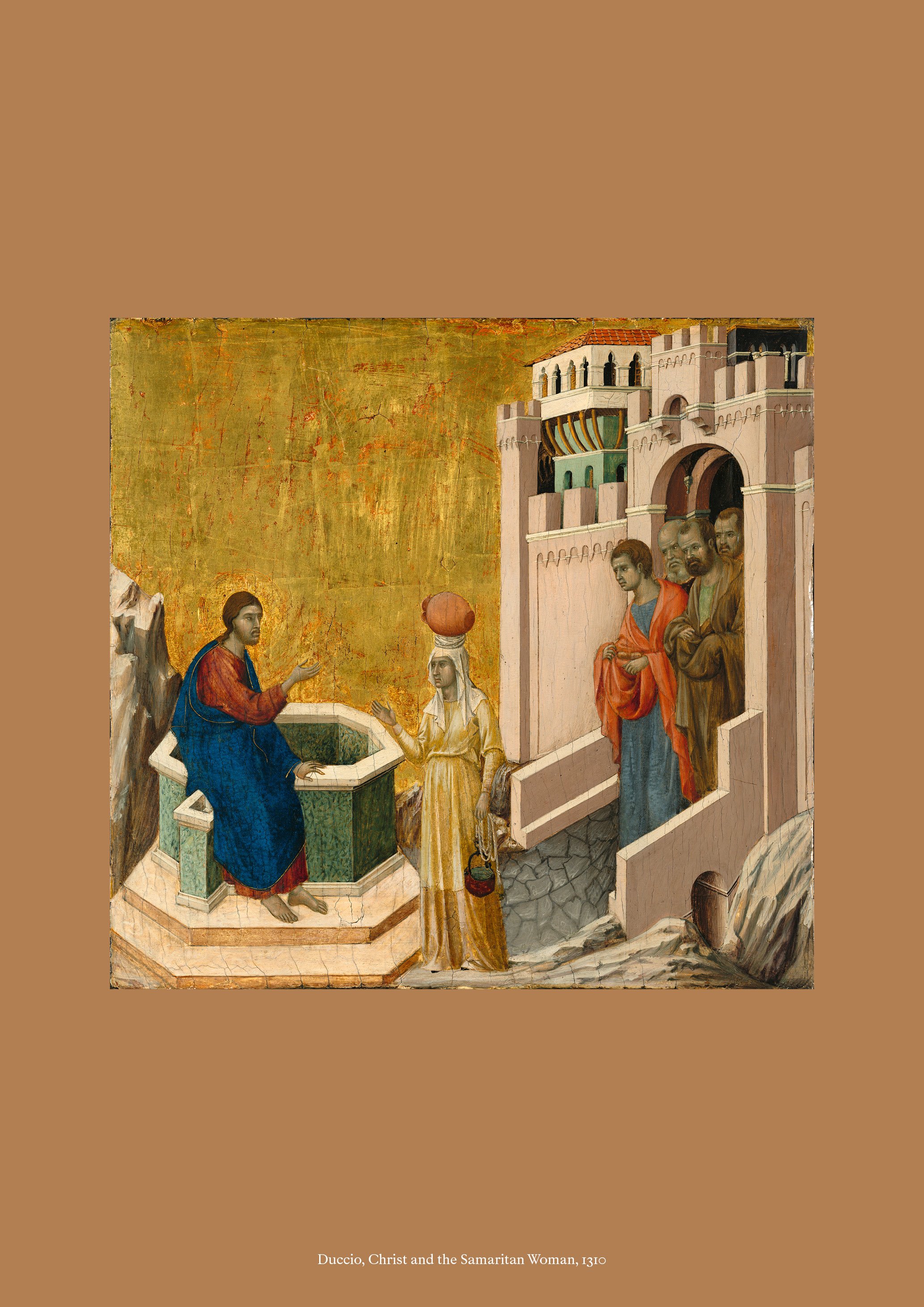
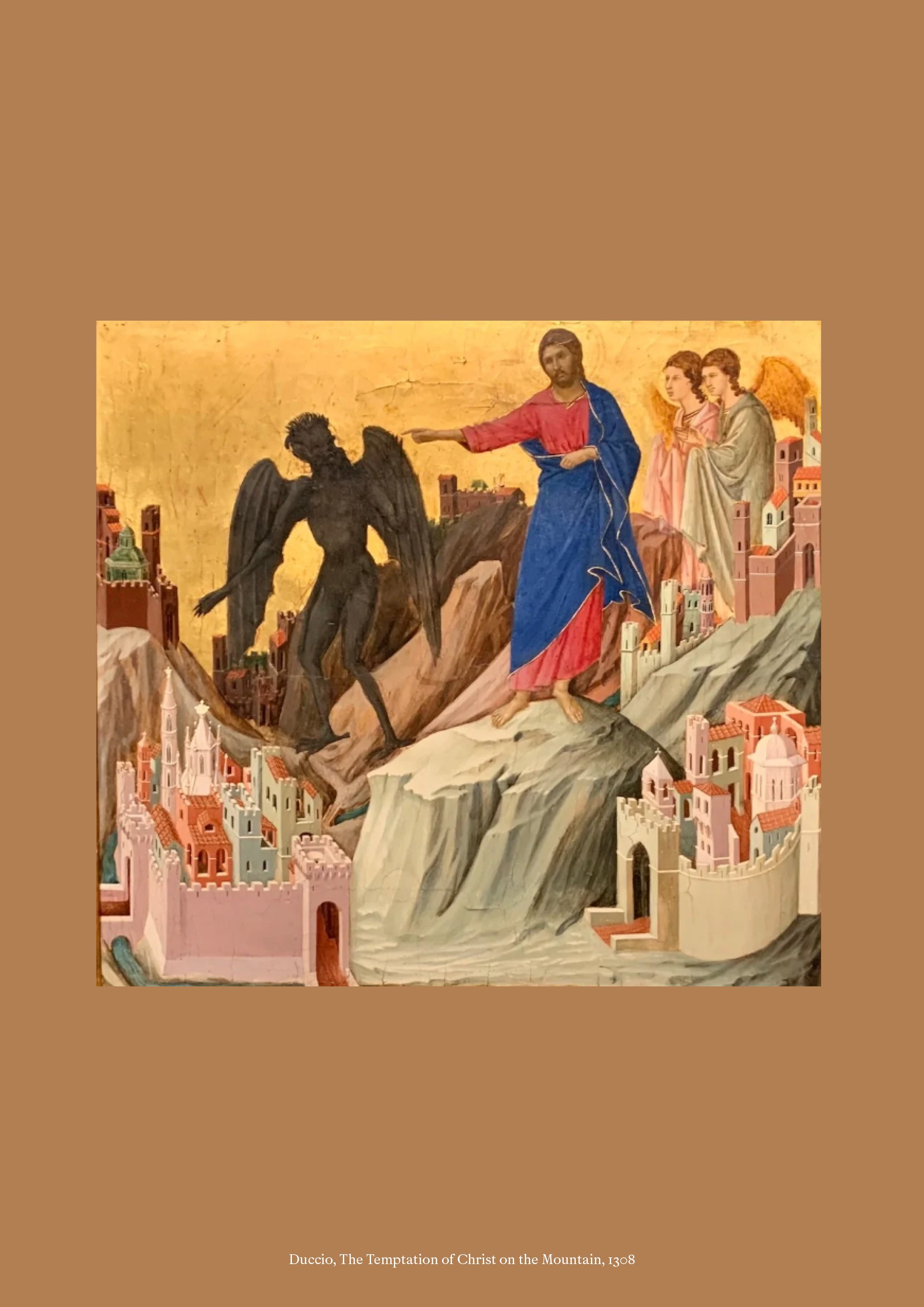
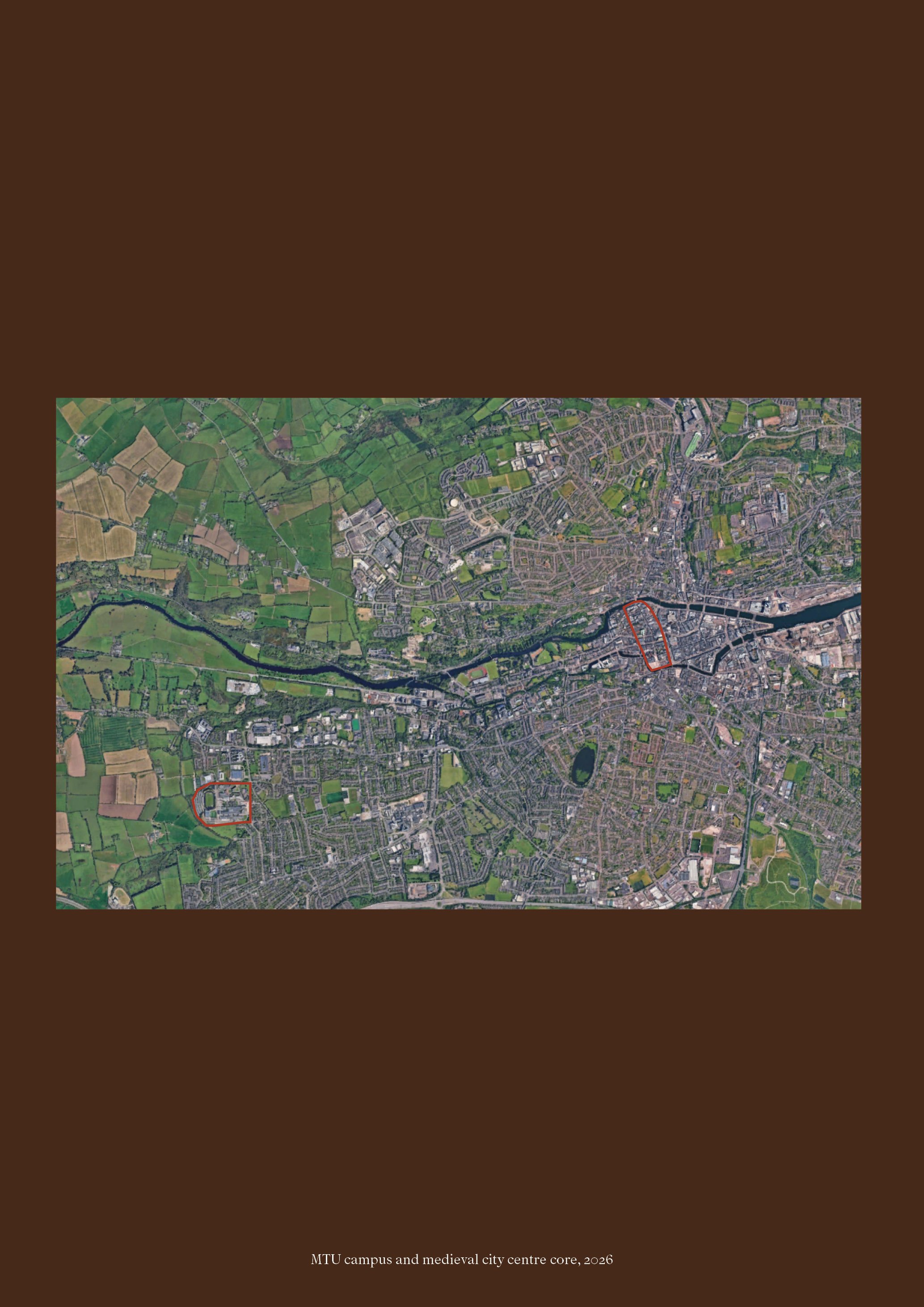
We see complex repetition in De Blacham and Meagher’s CIT (MTU) campus (1992-2007); through Kahn’s late modernist sensibility, and a trajectory beyond to late medieval and classical urban traditions. We also observe echoes between the civic characteristics of the CIT campus, and the work of the Sienese masters, which will form twin cornerstones of our research.
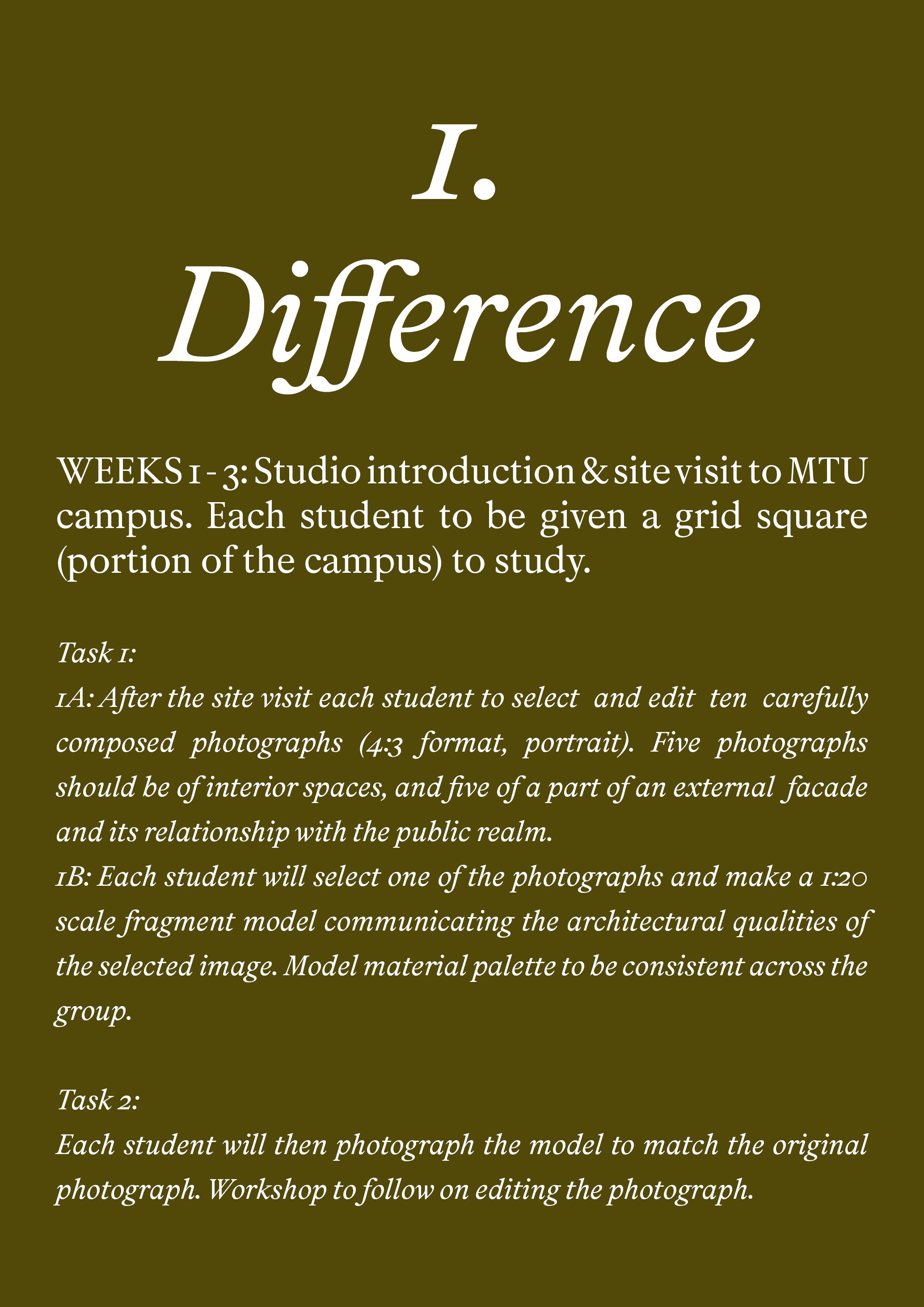
Through careful observation using large scale models, drawings and photographs we will study this phenomenon on the campus; with student projects emerging from these investigations.
1/8
2/8
3/8
4/8
5/8
6/8
7/8
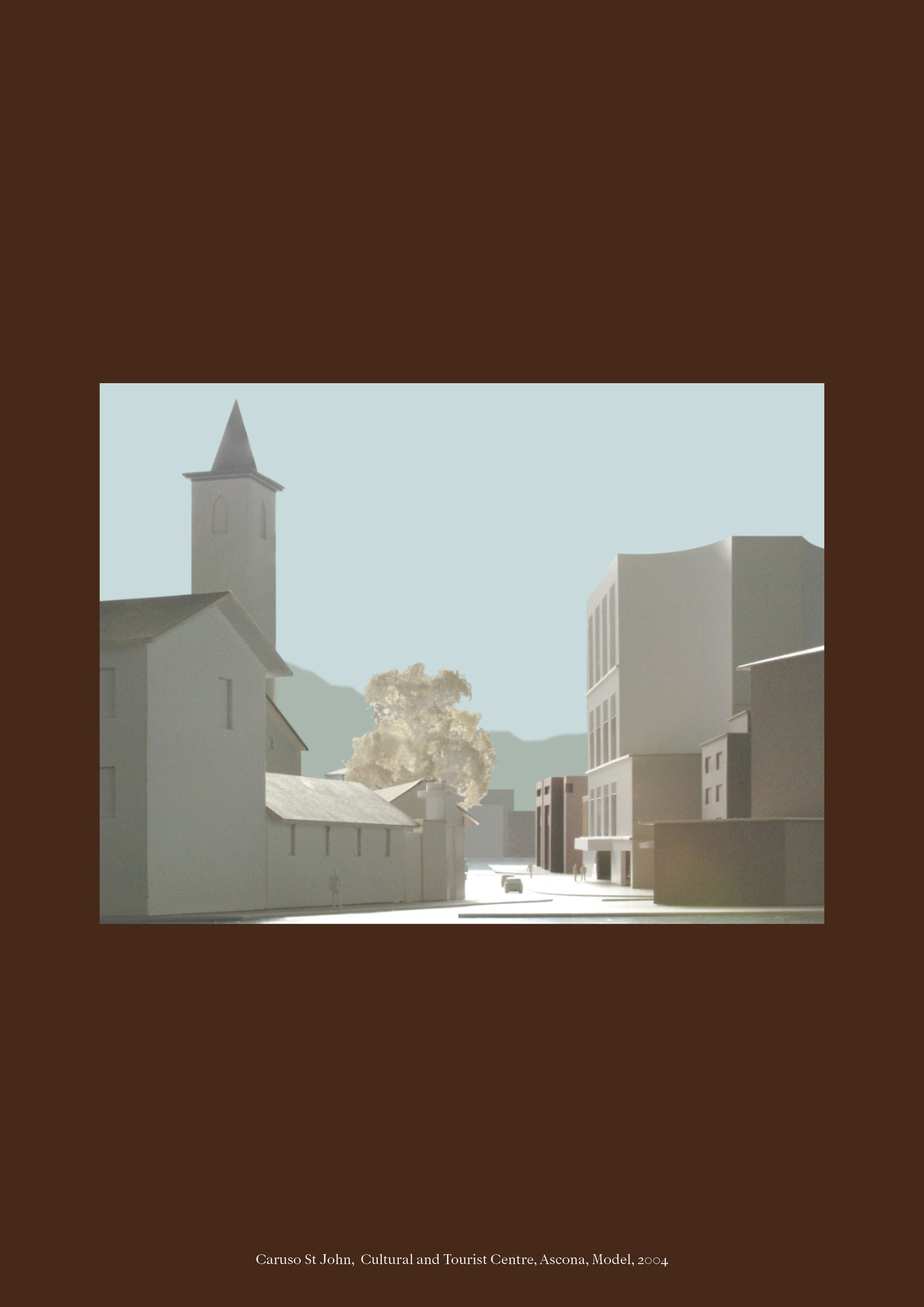
8/8
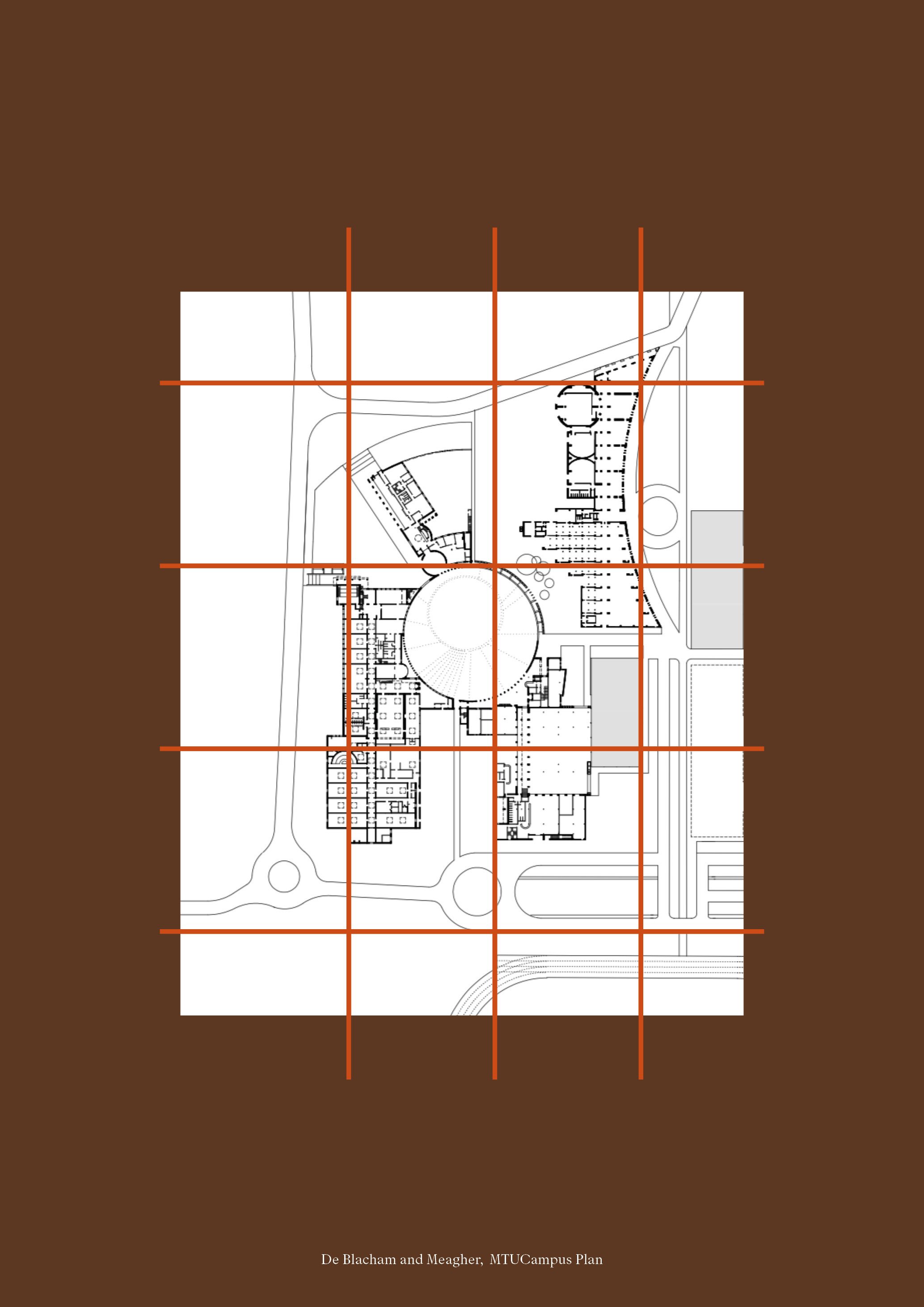
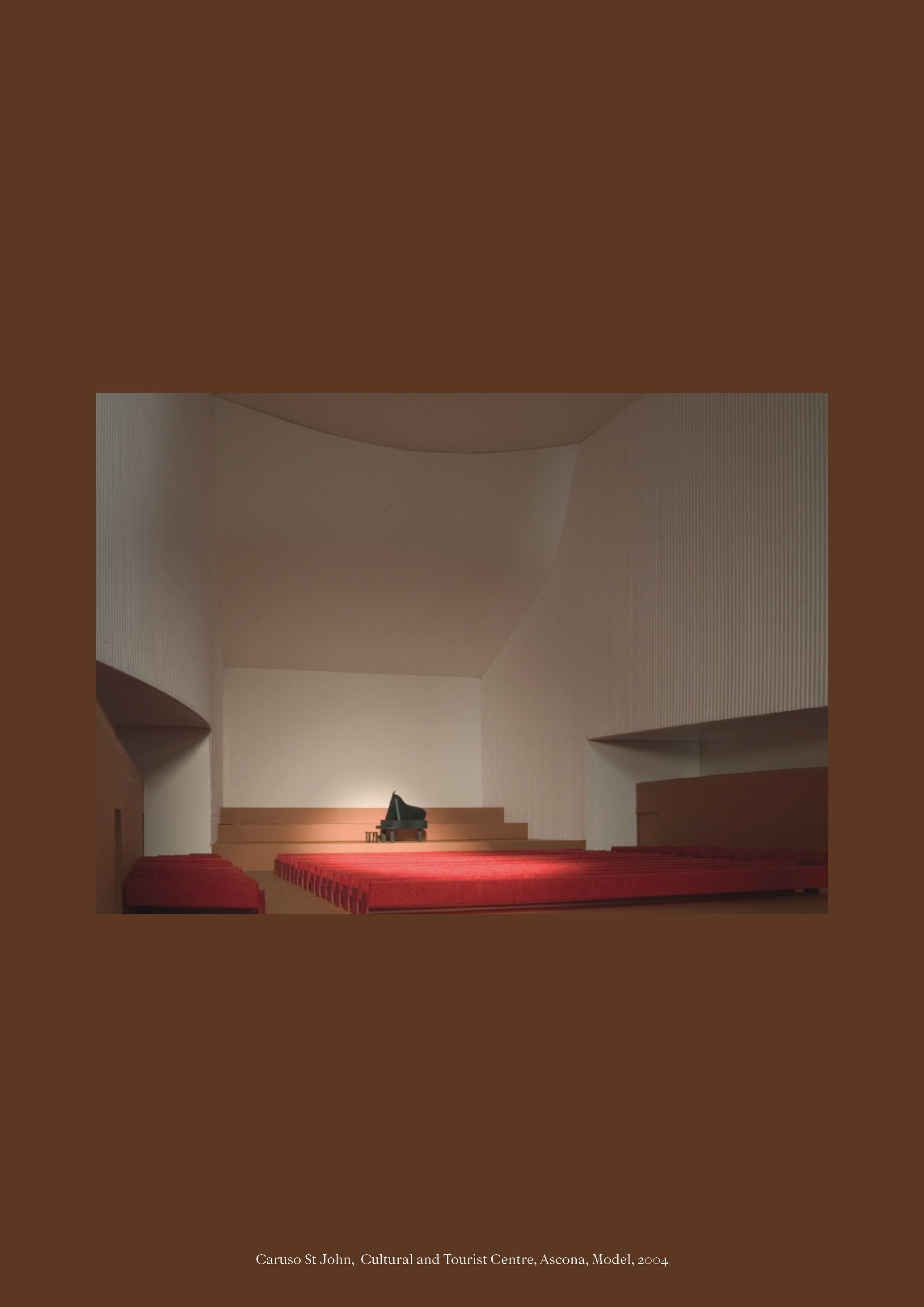
The examples below describe the methodology to be employed. 1:20 scale models in greyboard are used as a means to record through photograph the spatial experience of the study areas. These photographs will then be digitally layered to produce an accurate representation of the material characteristics of each space.
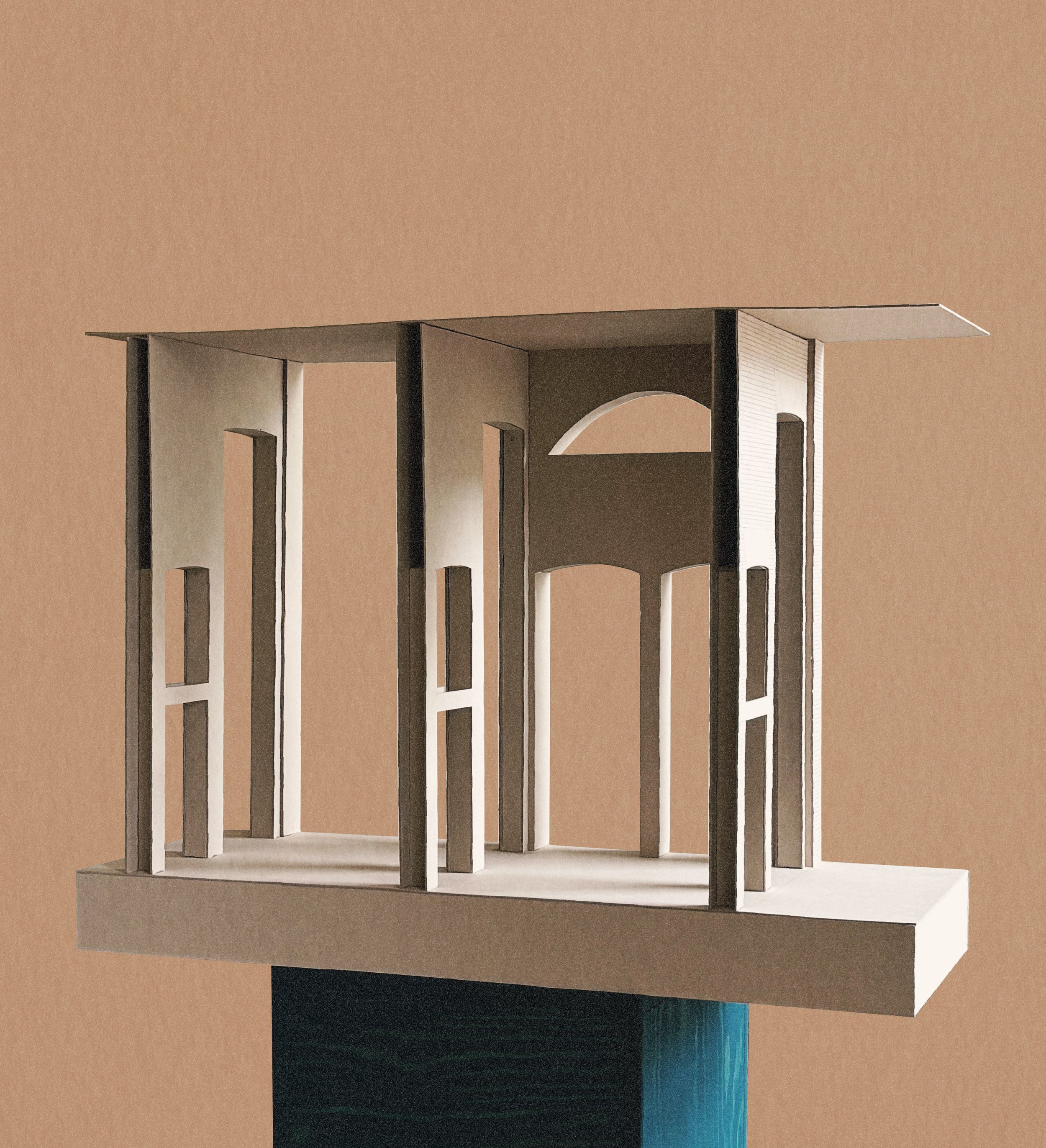
1/3
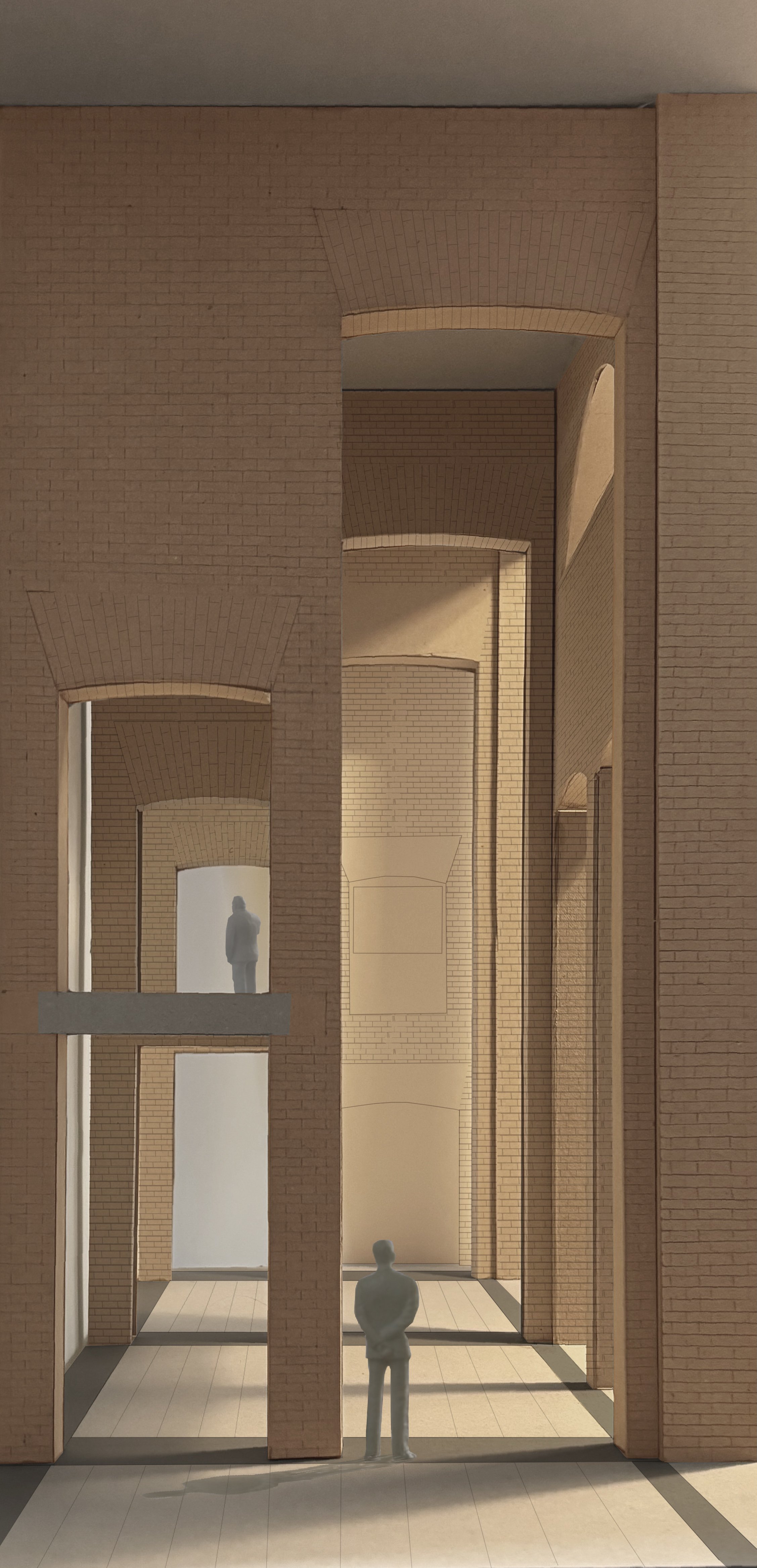
2/3
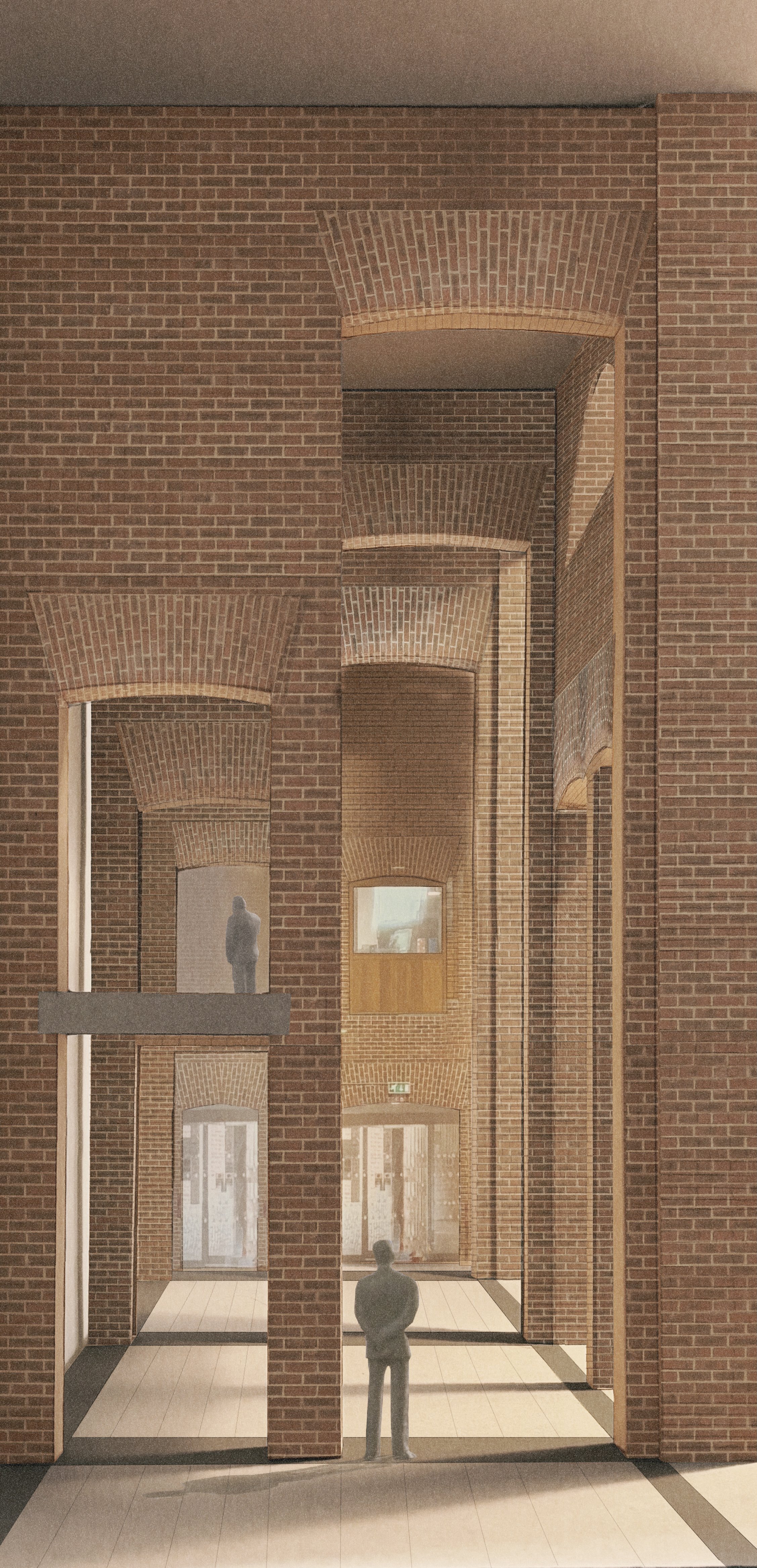
3/3